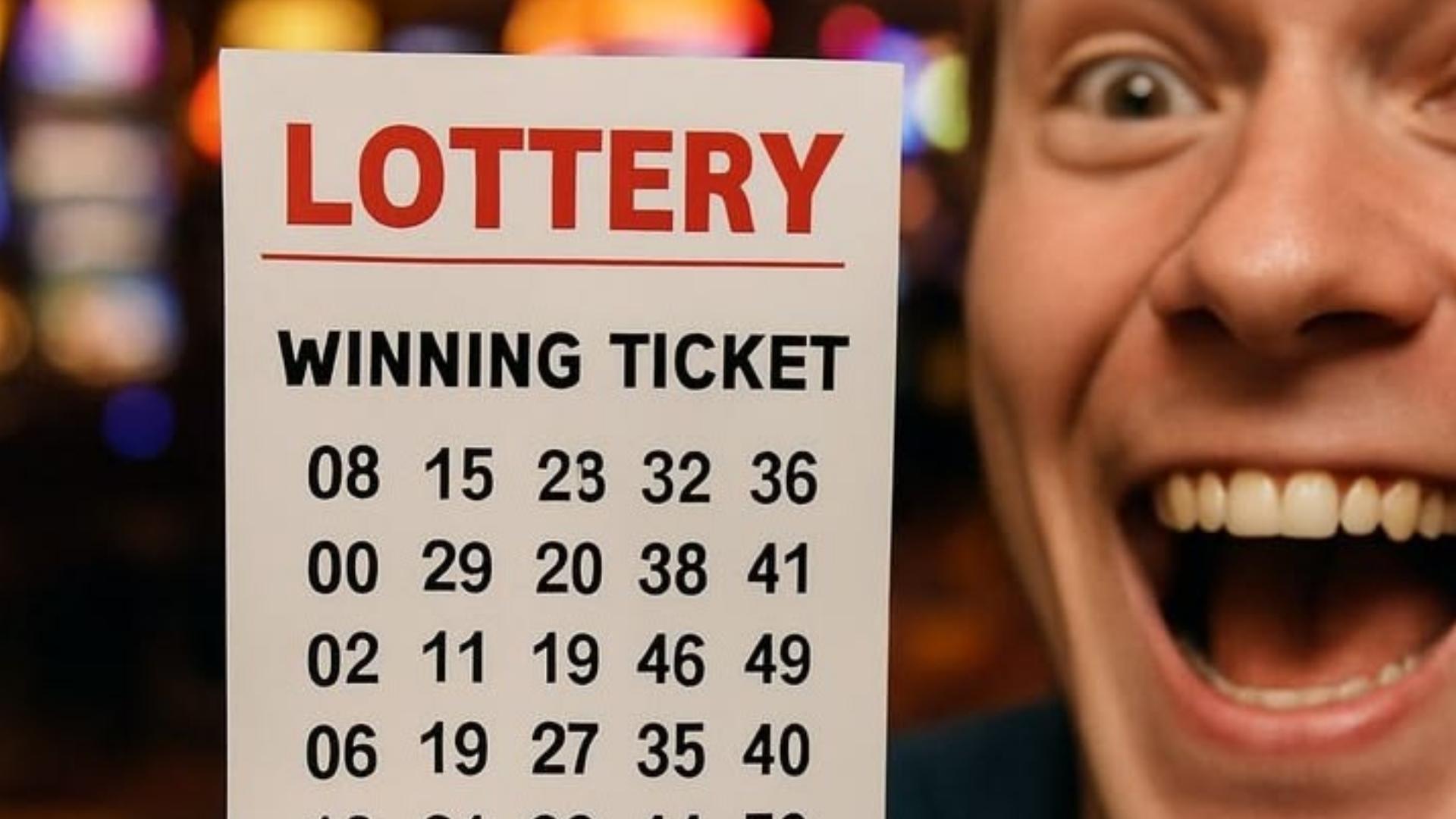
Engaging with activities that involve mathematical chance provides a unique opportunity to enhance cognitive flexibility and logical reasoning. While many individuals view these challenges as simple entertainment, they actively train the brain to evaluate risks under uncertain conditions. By learning to navigate randomized outcomes, participants develop structured analytical approaches that translate directly into daily decision-making systems.
The Intersection of Chance and Strategic Analysis
Probability-based challenges require players to move past emotional reactions and rely heavily on empirical observation. By analyzing the likelihood of various outcomes, individuals can design flexible tactics that adapt dynamically to changing environments. This continuous cycle of evaluation and adjustments serves as an excellent foundation for mastering complex logical scenarios.
Modern platforms frequently incorporate these educational mechanics to cultivate advanced reasoning abilities among diverse audiences worldwide. When exploring digital simulations that test your strategic capabilities, utilizing trusted platforms like Msports can offer a reliable environment to witness statistical models in action. Immersing oneself in these regulated digital scenarios helps refine real-time risk assessment habits efficiently.
Enhancing Analytical Thinking Through Cognitive Practice
Regular interaction with games of chance forces the human mind to calculate expected value and manage unpredictable variance. Instead of relying purely on standard luck, players learn to interpret historical data patterns to forecast future outcomes. This mental shift from intuition to quantitative analysis significantly minimizes the influence of cognitive biases.
Fostering this structured framework allows problem solvers to approach real-world obstacles with greater objectivity and confidence. Whether navigating corporate resource management or financial forecasting, the underlying skills remain remarkably similar. Training yourself to accept controlled uncertainty prepares your mind to handle unexpected variables with composure.
Practical Mathematical Exercises for Daily Improvement
Aspiring enthusiasts can start by engaging in classic tabletop or interactive card games that emphasize conditional outcomes. Tracking the mathematical frequencies of specific occurrences helps build an intuitive understanding of standard probability distributions. Over time, this consistent habit sharpens your mental acuity and enhances overall problem-solving speed.
It is beneficial to maintain a balanced perspective and view these challenges as engaging educational training tools. Developing a healthy familiarity with numerical distribution ensures that you can enjoy the intricacies of logical analysis without unnecessary stress. With persistent dedication, navigating mathematical uncertainty becomes a powerful tool for intellectual growth.