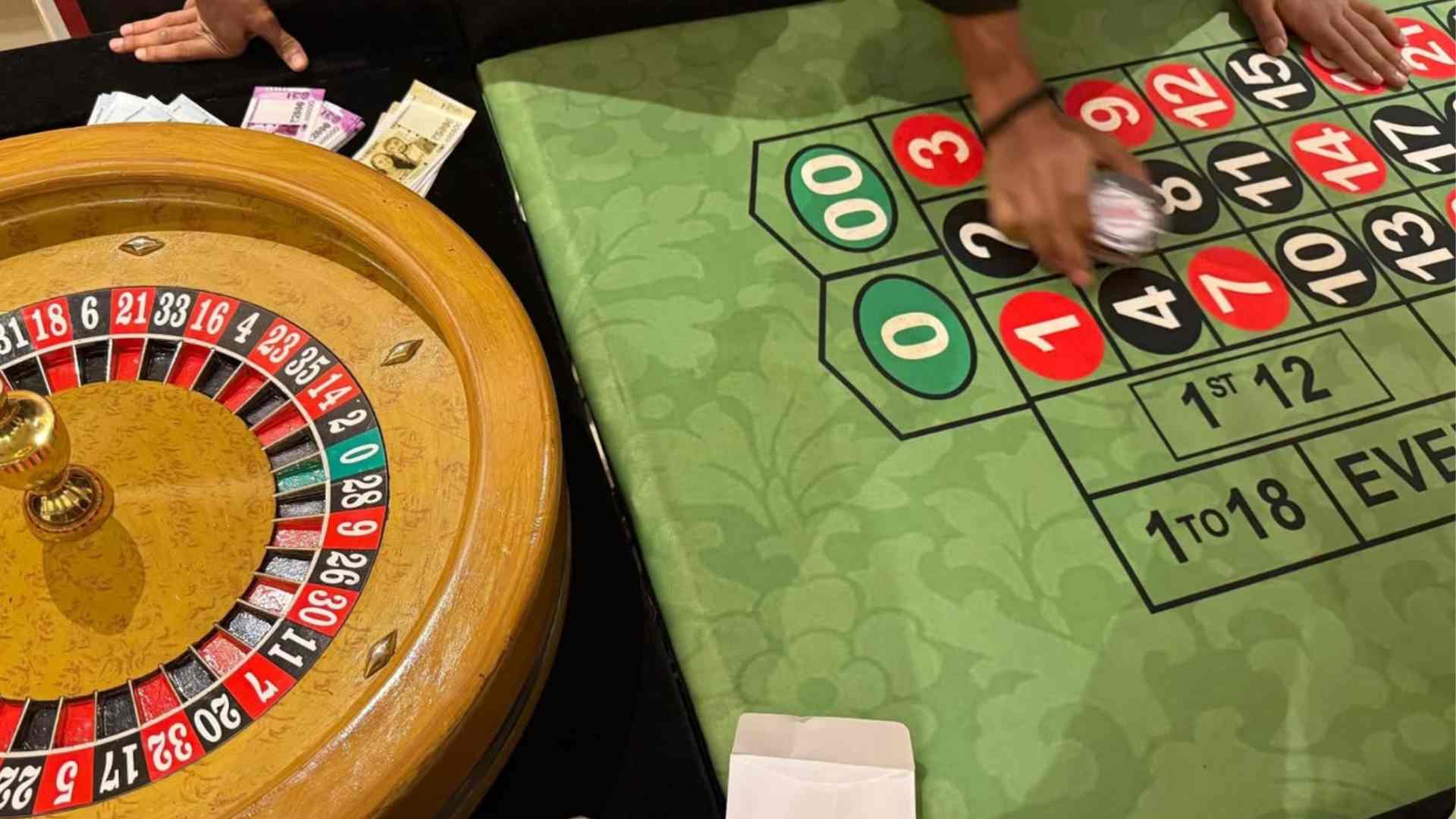
Modern game design increasingly relies on dynamic mechanics to ensure that every individual session offers a distinct experience. Incorporating random prize structures prevents linear progression from feeling overly repetitive or predictable. By introducing unexpected rewards, developers can shape personalized adventures that cater to different play styles and keep audiences engaged over time.
Breaking Up Linear Advancement in Digital Games
Traditional progression tracks often lead to predictable gameplay loops where players know exactly what to expect at every stage. Introducing randomized prize pools disrupts this monotony by offering varying outcomes for similar achievements. This structural shift ensures that no two playthroughs feel identical, providing a continuous sense of discovery.
When users encounter dynamic reward distribution, their decision-making processes naturally adapt to new circumstances. Unexpected items or power-ups encourage players to experiment with alternate strategies rather than relying on a single dominant path. As a result, the overall gameplay journey becomes richer and more varied.
Fostering Exploration Through Unpredictable Incentives
Randomized rewards play a critical role in encouraging gamers to explore optional content and hidden areas within virtual worlds. Knowing that unexpected treasures might be tucked away off the beaten track provides a compelling reason to venture beyond main objectives. This curiosity-driven exploration adds significant depth to the total user experience.
Dynamic incentive models also help maintain enthusiasm across long-term gaming campaigns. Players looking for updated platform access often search for m88 link mới nhất to explore new features and promotional rewards. These unpredictable elements keep routine activities feeling novel, ensuring that ongoing participation remains satisfying.
Balancing Random Chance with Player Agency
While probability adds excitement, maintaining a fair environment requires balancing chance with consistent progression systems. Game creators often implement threshold safeguards to ensure that players receive meaningful baseline rewards regardless of random outcomes. This approach prevents frustration while preserving the thrill of potential high-value surprises.
Giving users control over how they utilize randomized drops further enhances their feeling of accomplishment. When players can craft, trade, or adapt unexpected prizes to fit their specific goals, the rewards feel deeply meaningful. This harmony between luck and strategy builds long-term trust and player retention.
The Future of Adaptive Reward Systems
As interactive media evolves, reward systems are becoming increasingly responsive to individual behavior and skill levels. Modern algorithms can subtly adjust prize pools to deliver challenges and compensation tailored to a player's current progression. This personalized touch maximizes engagement without making mechanics feel artificial or manipulative.
Ultimately, randomized prize structures offer a powerful framework for creating diverse and memorable gaming journeys. By prioritizing meaningful variety and fair distribution, developers ensure that players remain genuinely curious about what every new session will bring.